
The Honor 600 Pro recently arrived in South Africa, taking aim at Samsung Galaxy S26 line-up by offering premium specs at a lower price point.
While on paper the device offers an appealing alternative to the standard S26, and even the S26+, how does it measure up in real life? I spent some time testing it to find out.
Design
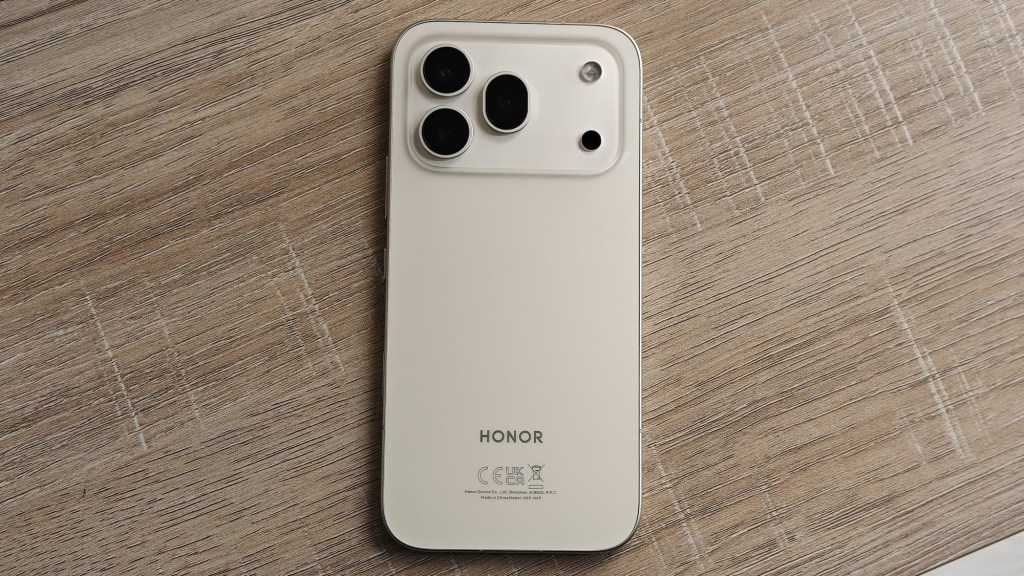
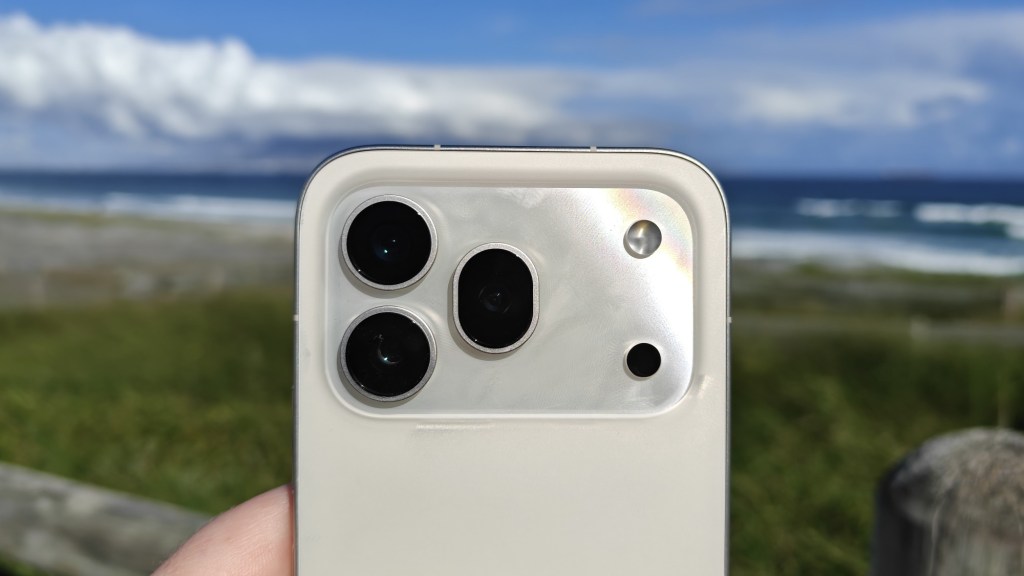
The Honor 600 Pro has been criticized by some for its resemblance to the iPhone 17 Pro, and its stark similarities are definitely there. I personally preferred the design of the Honor 400 Pro, but one could argue that the device strongly resembled the Huawei Pura range. It would be great to see Honor experiment with some more unique designs, but I also understand the impulse for a growing brand to follow trending styles rather than trying to implement its own design trends.
While it doesn’t score any points for originality, how does this design stand up with daily usage? The benefit of its central camera island is that the Honor 600 Pro doesn’t have the same camera wobble problem as many competitors when you use it laying flat on a table. This is particularly noticeable when you use it at the same time as devices that favor a camera bump positioned on one side.
When looking at the device from the front, it resembles the flatter, more squared screen design of newer smartphones. While the 400 Pro had larger bezels on its front display, the slight curve in the display gave it a sleek appearance. I’m personally a sucker for curved displays, but can’t deny the benefits that flatter displays offer in terms of durability.
Overall, the 600 Pro is lightweight and comfortable to hold. You get access to an immersive 6.57-inch AMOLED display while still being able to easily use the device with one hand.
Battery life and performance
The Honor 600 Pro stands out when it comes to its battery life and performance. It’s equipped with a 7,000mAh silicon carbon battery, one of the largest capacities available in South Africa. This large battery is paired with 80W wired charging, meaning that you can top up the device’s battery quickly.
When running it through a PCMark for Android 3.0 battery benchmark at 50% brightness, the device lasted 19 hours and 8 minutes. This means that while running through a series of tasks from scrolling, to editing pictures, to browsing media; it took over 19 hours for the device to drain from 100% to 20%. This is a nearly two-hour improvement compared to the benchmark I ran on the 400 Pro last year.
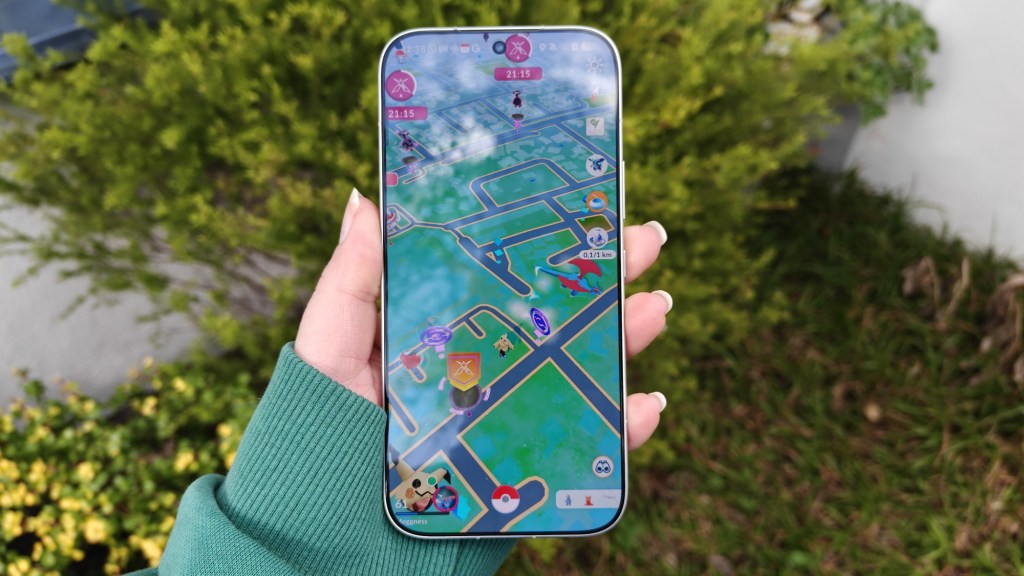
I used the phone for a variety of tasks, including messaging, taking photos, and playing Pokémon Go. The device is honestly one of the best I’ve used in terms of battery life. Even though its charging is slightly slower compared to my 400 Pro (80W versus 100W), it wasn’t a noticeable difference for me. The additional battery capacity also meant that I could go longer between charges.
In terms of performance, the device was snappy and responsive thanks to its Snapdragon 8 Elite chipset and high refresh rate display. I didn’t experience any slowdown or jittery graphics when using it for Pokémon Go, and it was able to handle my multitasking with ease.
In the PCMark for Android 3.0 performance benchmark test, the device scored 21 056. It’s a significant improvement over the 400 Pro’s score of 17 095, and surprisingly close to the S26 Ultra’s score of 21 467.
Another thing I’d like to mention is the 600 Pro’s PWM dimming rate. Its display supports a PWM rate of 3840Hz. If you find that your phone gives you headaches or migraines, and you’re sensitive to flickering lights, then a display with a high PWM rate can be helpful in mitigating this.
I noticed that while the blue light filter on the 600 Pro didn’t seem as strong when compared to the 400 Pro, I didn’t experience more eye strain or a migraine flare up. It was comfortable to use, especially at lower brightness where PWM flicker can become a problem. It’s a trend I wish competitors like Samsung would follow since it can make a huge difference for people with flicker sensitivity.
Camera
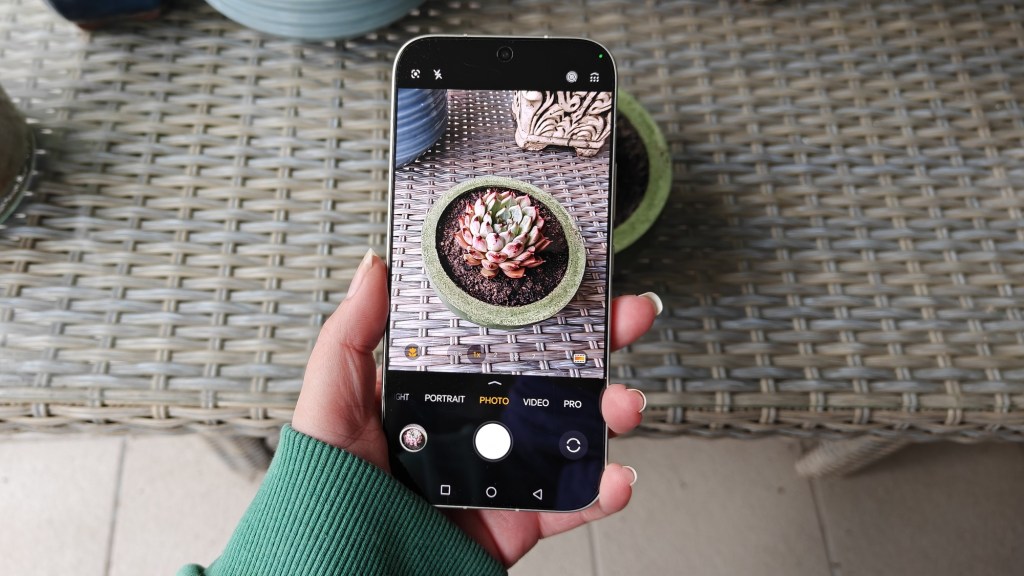
I really loved using the camera of the Honor 600 Pro. The phone’s main camera includes a 200MP main camera, a 50MP periscope/telephoto lens, and a 12MP wide-angle lens.
Its telephoto lens also supports up to 3.5x optical zoom. While this isn’t as flexible as the S26 Ultra’s 5x optical zoom on its 50MP lens, it’s a step up from the 3x zoom on the S26 and S26+’s 10MP telephoto lens. The Honor 600 Pro also supports high resolution images up to 200MP, whereas the S26 and S26+ only support up to 50MP.
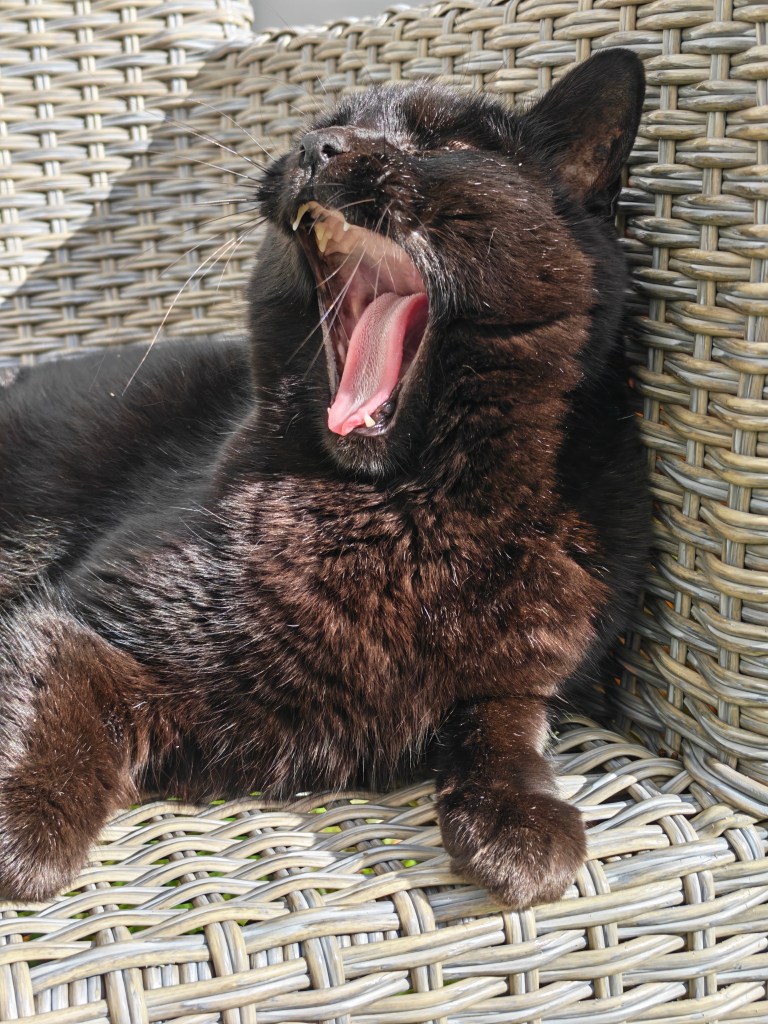
The flexibility provided by the Honor 600 Pro’s camera works well in daily usage. It is perfect for close up and landscape shots in bright light, providing a balance of colour and details without being overly saturated.
I shot the majority of my photos in the camera’s default mode, using up to 3.5x zoom and I was happy with the results.


When it came to landscape images using the wide-angle lens, I was happy with the detail that the camera captured. However I did notice that occasionally the contrast was a bit more muted than I would’ve liked, especially when the sun was very bright.


The high resolution mode also captured plenty of detail, but the contrast and saturation did suffer a bit, especially when zooming in. However, this is common with ultra high resolution lenses.


Overall, the Honor 600 Pro performs exceptionally well for a device in its price range, offering the user flexibility and a range of shooting modes.
Drawbacks
So are there any drawbacks to the 600 Pro? As with any device, yes. The biggest drawback in my opinion is Honor’s two-year support for OS updates, which seems short during a time where consumers are encouraged to take out 36-month contracts. If you plan to upgrade your phone every two years, this isn’t much of a dealbreaker. But it can be a major drawback when money is tight and you’d like to keep your phone for longer.
In terms of its camera app, I wish you could select the resolution you wanted to use in the default shooting mode. Currently, you can only get 50MP or 200MP images if you use the high resolution mode — and the mode doesn’t let you select between the two options. This means in the default shooting mode, you’ll always end up with a photo that’s 12MP. This saves space on your phone and doesn’t make a difference when you’re viewing it on a small screen, but being able to select a 50MP image would be great for shots that people want to print out for display in larger frames or on their televisions.
Finally, I wish Honor’s software offered a bit more customization. I’m personally not a fan of forced split notifications, but I’ve gotten used to it since I’ve used the HONOR 400 Pro for the past year. However, I do wish that MagicOS gave users more choice over this setup.
Verdict: Is the Honor 600 Pro worth it?
At a prepaid price of R19,999, I would say that the Honor 600 Pro is a compelling offering. It offers the flexibility and performance of a flagship device, while even outperforming many premium offerings when it comes to battery capacity and charging speed.
If you’re looking for a device that offers value for money but also a premium experience, I would say that the phone hits a sweet spot for many consumers. However, the trade off is Honor’s two-year update policy and sometimes finnicky software.

